
Every breath counts in the NICU, and precision is essential. Pressure-Targeted High Flow (PTHF) represents the next evolution in respiratory support, giving clinicians the ability to titrate high-flow nasal cannula therapy to a targeted pressure. Explore the clinical evidence behind PTHF.
CPAP and High Flow Therapy
The introduction of CPAP transformed the field of neonatology as the reliable distending pressure it produces prevents alveolar collapse, improves gas exchange, and reduces work of breathing. But CPAP therapy comes at a cost — high rates of nasal injury, disruption of skin-to-skin care, high nursing and RT workload.
Babies, parents and nurses love high-flow nasal cannula (HFNC) therapy as it is gentler, less intrusive and lower maintenance. But it’s also less effective than CPAP as it doesn’t generate a reliable PEEP — the degree of leak around the high flow prongs is impossible to assess yet is a prime driver of PEEP generation.
Measuring PEEP generation while on HFNC with a small, soft nasopharyngeal catheter provides an opportunity to combine the efficacy of CPAP with the ease of use of high flow.
Is it time for the next transformation of NICU care, Pressure Targeted High Flow?
Read Our Case Studies
Case Study 1
Transfer from CPAP to HFNC
Case Study 2
Infant Deteriorating Following Transfer from CPAP to HFNC
Case Study 3
Infant Weaning Down on HFNC
Case Study 4
Infant Weaning Down on HFNC
Clinical Literature

High-flow nasal cannula: recommendations for daily practice in pediatrics
Review
Annals of Intensive Care

Association Between High-Flow Nasal Cannula and End-Expiratory Esophageal Pressures in Premature Infants
Observational Study
Respiratory Care

Physiological effects of high-flow nasal cannula therapy in preterm infants
Randomized Controlled Trial
BMJ Journals
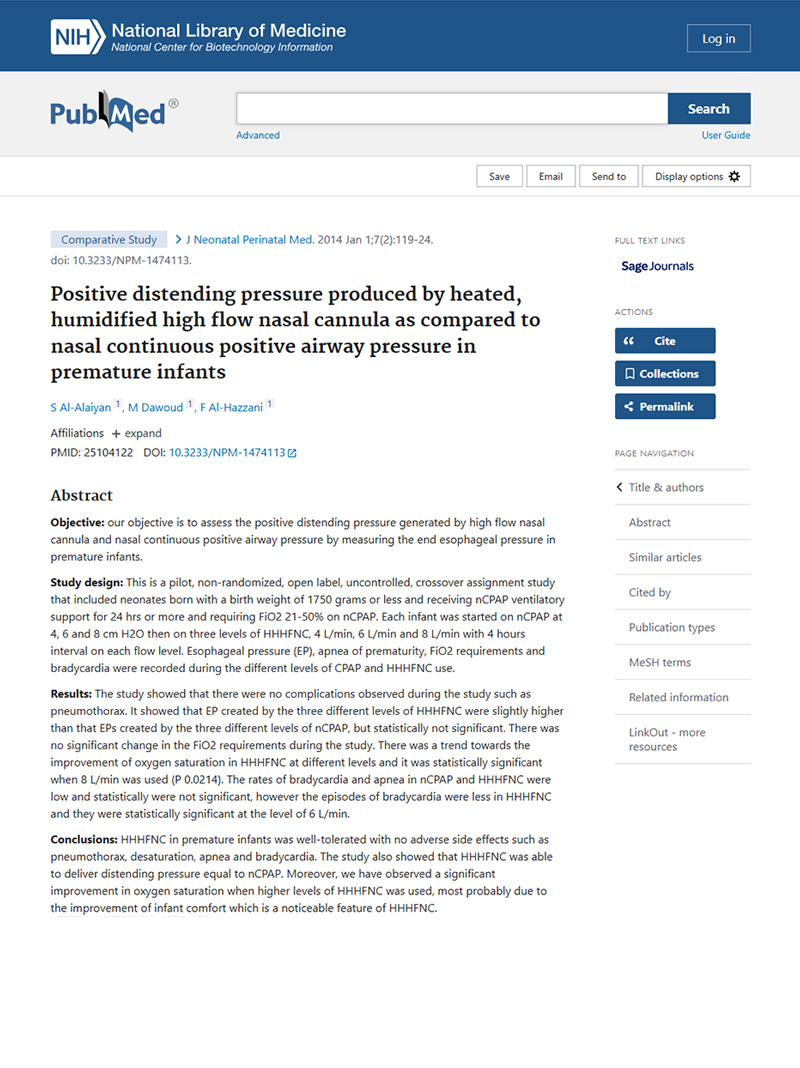
Positive distending pressure produced by heated, humidified high flow nasal cannula as compared to nasal continuous positive airway pressure in premature infants
Comparative Study
Sage Journals
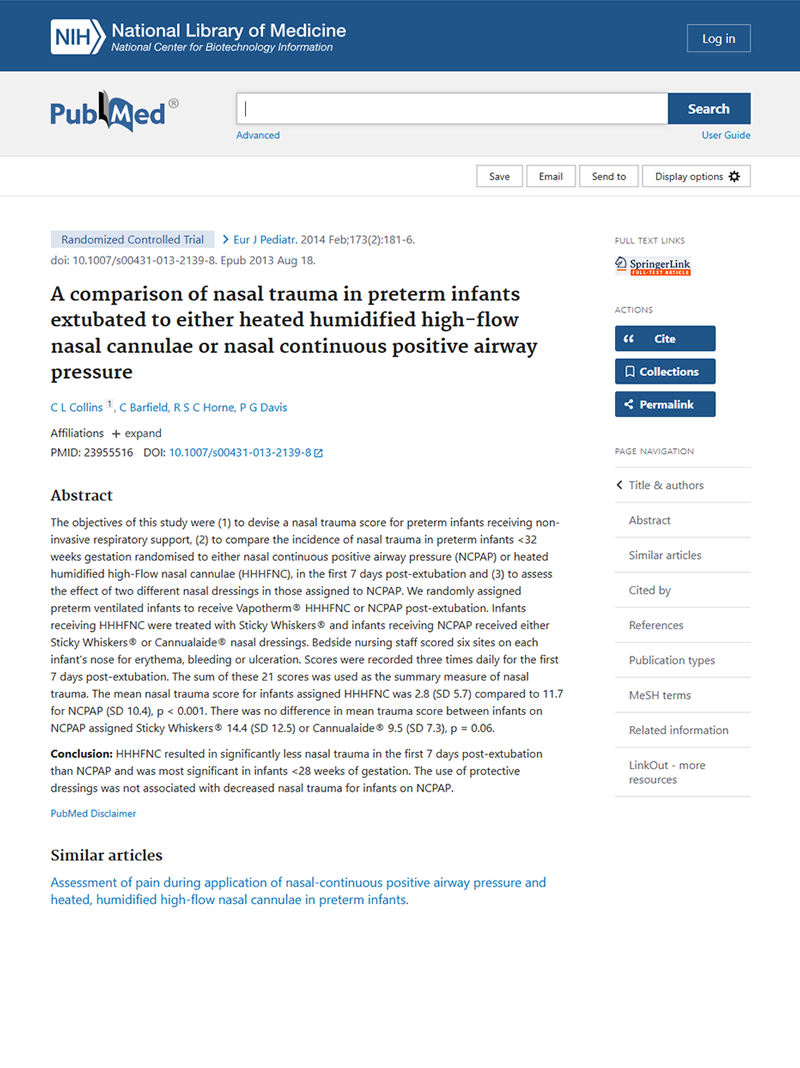
A comparison of nasal trauma in preterm infants extubated to either heated humidified high-flow nasal cannulae or nasal continuous positive airway pressure
Randomized Controlled Trial
European Journal of Pediatrics

Comparison of the pharyngeal pressure provided by two heated, humidified high-flow nasal cannulae devices in premature infants
Randomized Controlled Trial
Journal of Paediatrics and Child Health
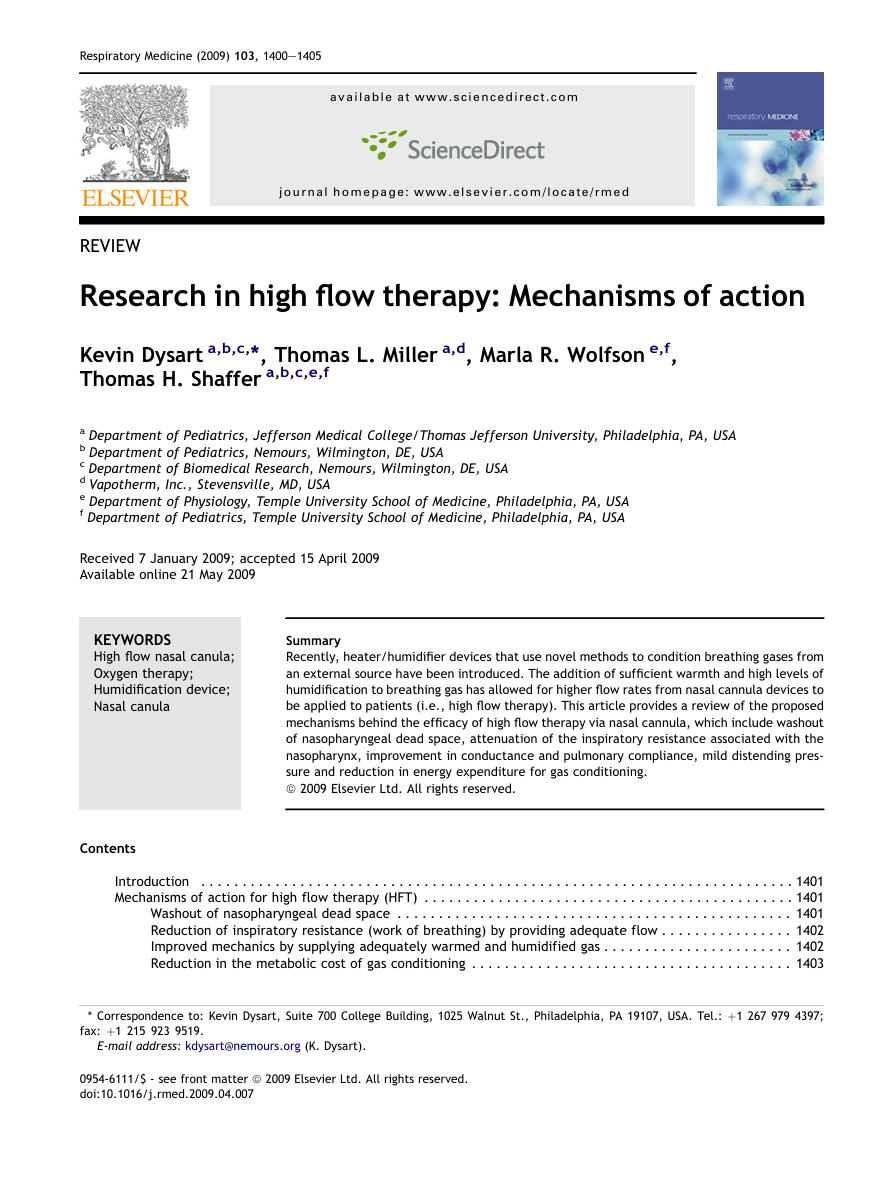
Research in high flow therapy: Mechanisms of action
Review
Respiratory Medicine
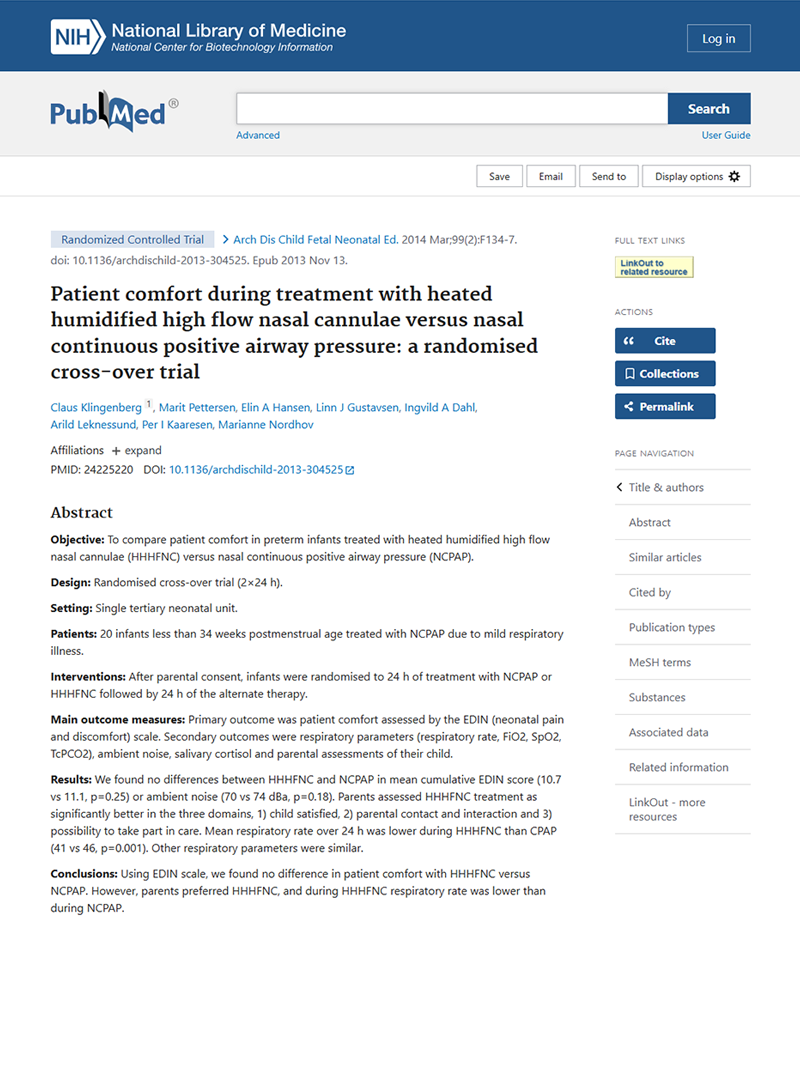
Patient comfort during treatment with heated humidified high flow nasal cannulae versus nasal continuous positive airway pressure
Randomized Controlled Trial
Archives of Disease in Childhood, Fetal and Neonatal Edition

Respiratory mechanics during NCPAP and HHHFNC at equal distending pressures
Randomized Controlled Trial
Archives of Disease in Childhood, Fetal and Neonatal Edition
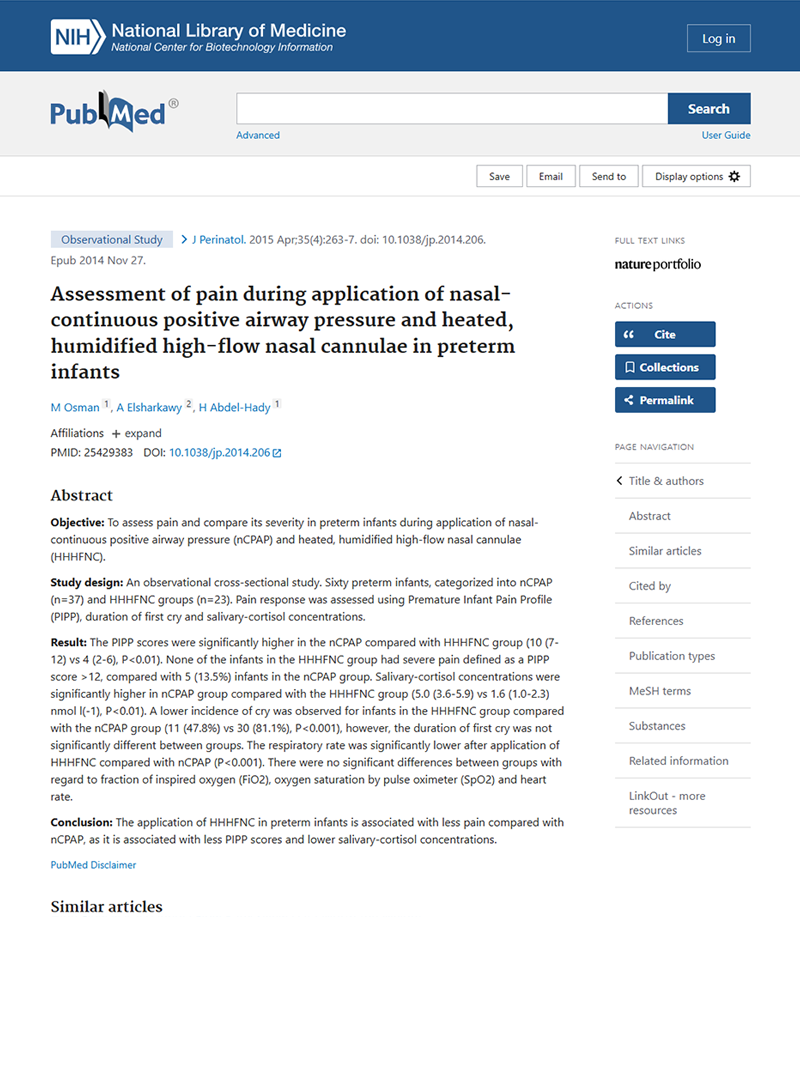
Assessment of pain during application of nasal-continuous positive airway pressure and heated, humidified high-flow nasal cannulae in preterm infants
Observational Study
Journal of Perinatology
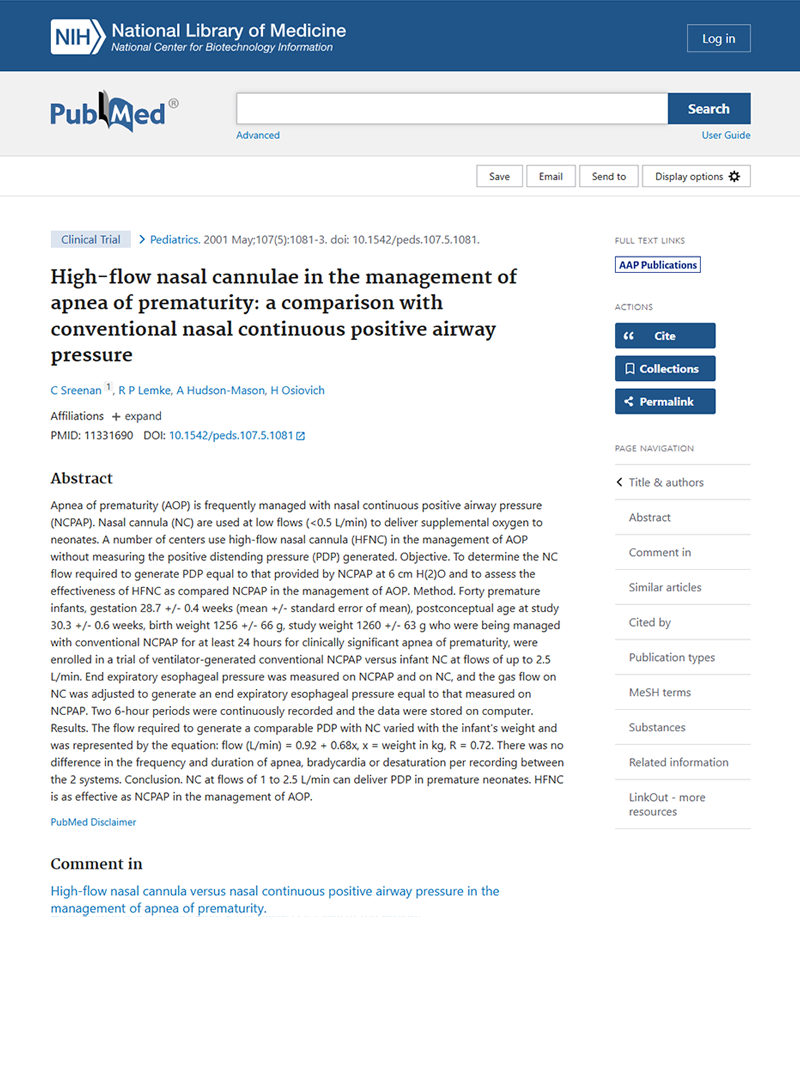
High-Flow Nasal Cannulae in the Management of Apnea of Prematurity: A Comparison With Conventional Nasal Continuous Positive Airway Pressure
Clinical Trial
Pediatrics
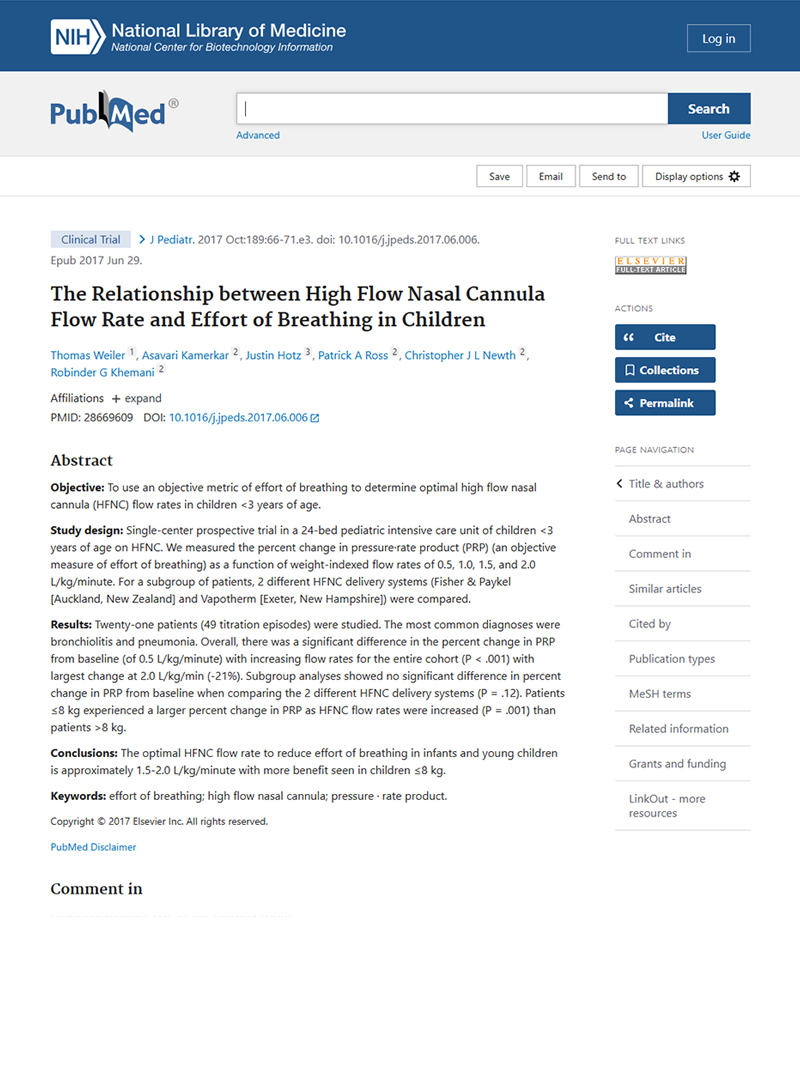
The Relationship Between High Flow Nasal Cannula Flow Rate and Effort of Breathing in Children
Clinical Trial
Journal of Pediatrics

Mechanistic Understanding of High Flow Nasal Cannula Therapy and Pressure Support with an In Vitro Infant Model
Review
Annals of Biomedical Engineering
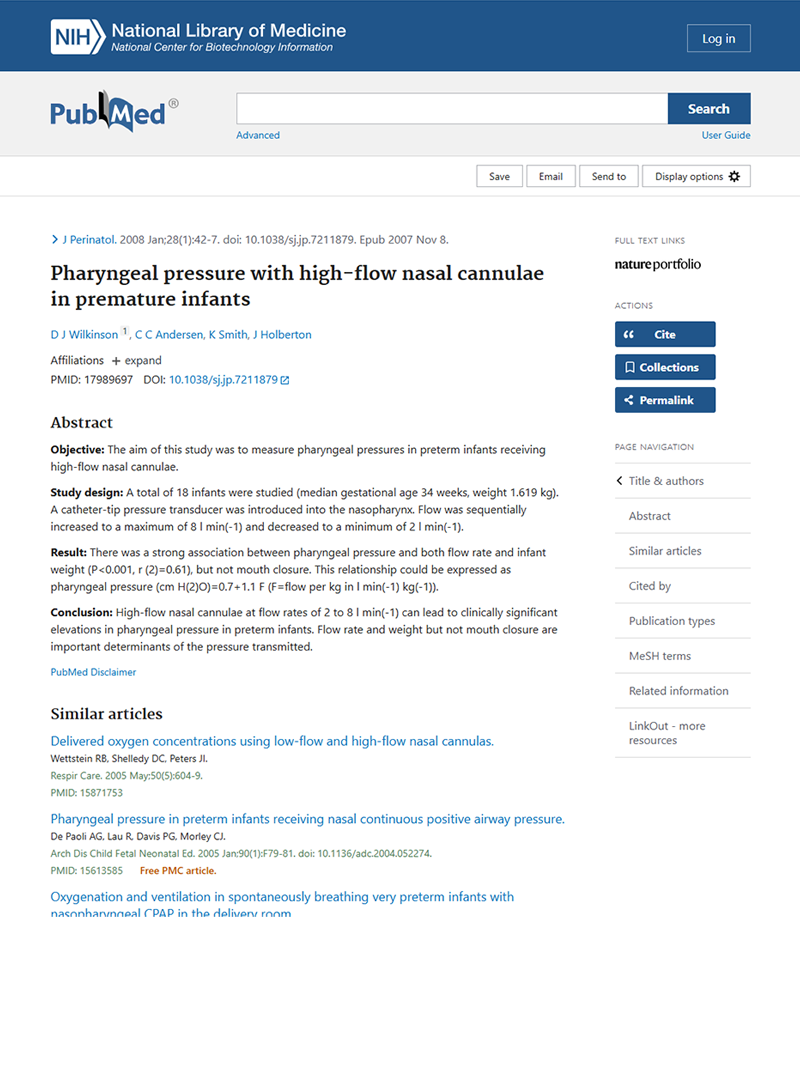
Pharyngeal pressure with high-flow nasal cannulae in premature infants
Observational Study
Journal of Perinatology
Contact
DRW Medical, LLC
2710 Concord Rd., Aston, PA 19014
610-996-5308
610-787-2380